Research
How does the maternal immune system recognize and respond to fetal proteins during pregnancy?
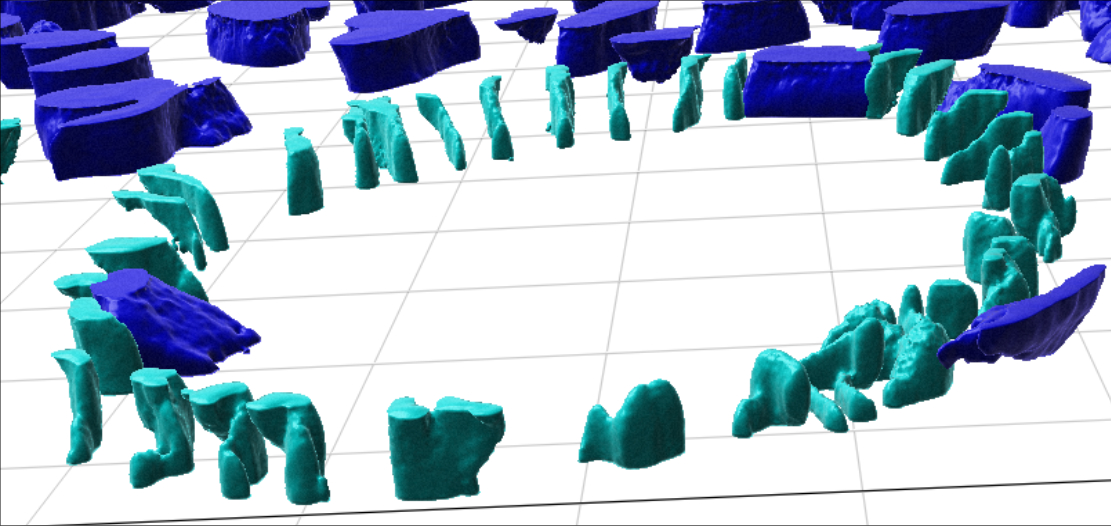
From the moment of implantation, the maternal immune system is rapidly reprogrammed to accommodate a semi-foreign fetus. Maternal-fetal communication occurs at the placenta, where fetal trophoblasts invade the uterus, shunt maternal blood to intervillus spaces, and shed fetal proteins into maternal circulation. These proteins are seen by the maternal immune system for the first time, yet do not elicit a graft rejection immune response. Instead, they elicit antigen-specific immune tolerance. Our lab utilizes protein display tools to discover novel mechanisms of immune monitoring and how to harness them for diagnostics.
Which antibody-antigen interactions drive pregnancy complications?
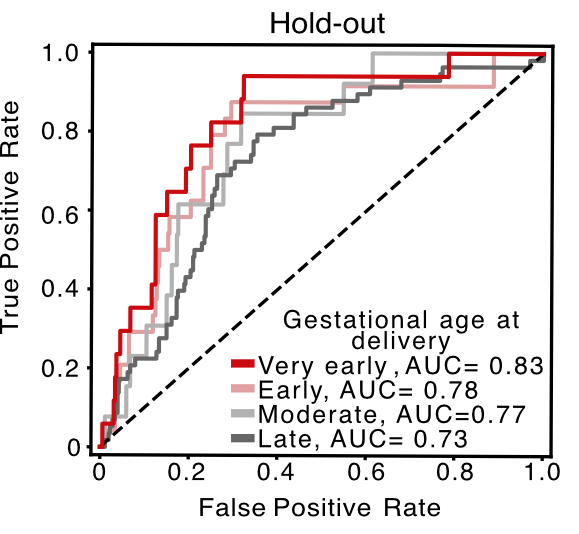
Antibody responses in the establishment of maternal-fetal tolerance have been characterized for only a few pathogenic autoantibodies in pregnancy complications. Despite these examples, proteome-wide autoreactivity and its association with preterm pregnancy is lacking. We utilize phage display immunoprecipitation and sequencing (PhIP-seq) and other approaches to discover antibody-antigen interactions that are associated with preterm birth and other complications of pregnancy. We move beyond associations by modeling identified interactions in vitro and in vivo.
How can we engineer protein transport across the placenta?
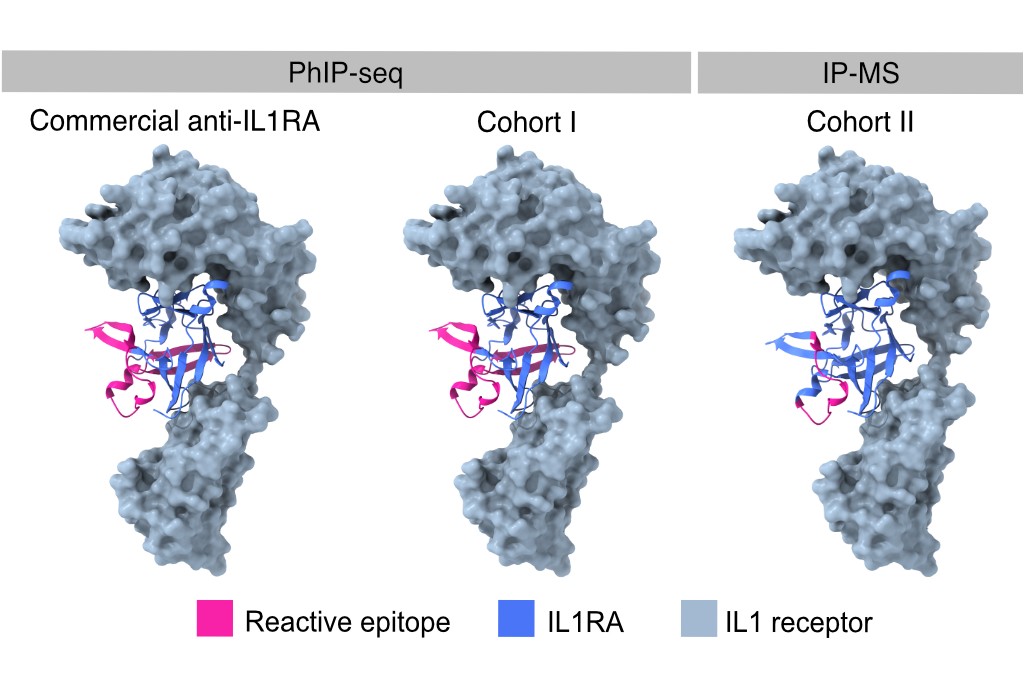
Pregnancy is a remarkable challenge for proteostasis and pathogenic protein transfer across this interface can lead to severe outcomes for the neonate. With biologic therapies rapidly expanding across the pharmaceutical market, there is a growing need to refine our understanding of what is safe for pregnant populations, in addition to preventing transfer of pathogenic proteins. Our understanding of this process comes primarily from studies of antibodies: IgG selectively crosses the placenta via the neonatal Fc receptor and confers infants with passive immunity. The broader biochemical rules that govern which proteins are transferred remain poorly understood. We apply chemical biology tools to discover novel protein transport mechanisms at this critical interface.